Why Your Skin Heals at Night (And How to Help It)
The science of overnight cellular repair — and the products that actually work with your circadian rhythm.
Your skin operates on two completely different shifts. During the day, it defends — against UV, pollution, oxidative stress. At night, between roughly 9 PM and 4 AM, it switches into repair mode: cell turnover accelerates, collagen synthesis peaks, and the skin barrier rebuilds itself.
The 11 PM rule
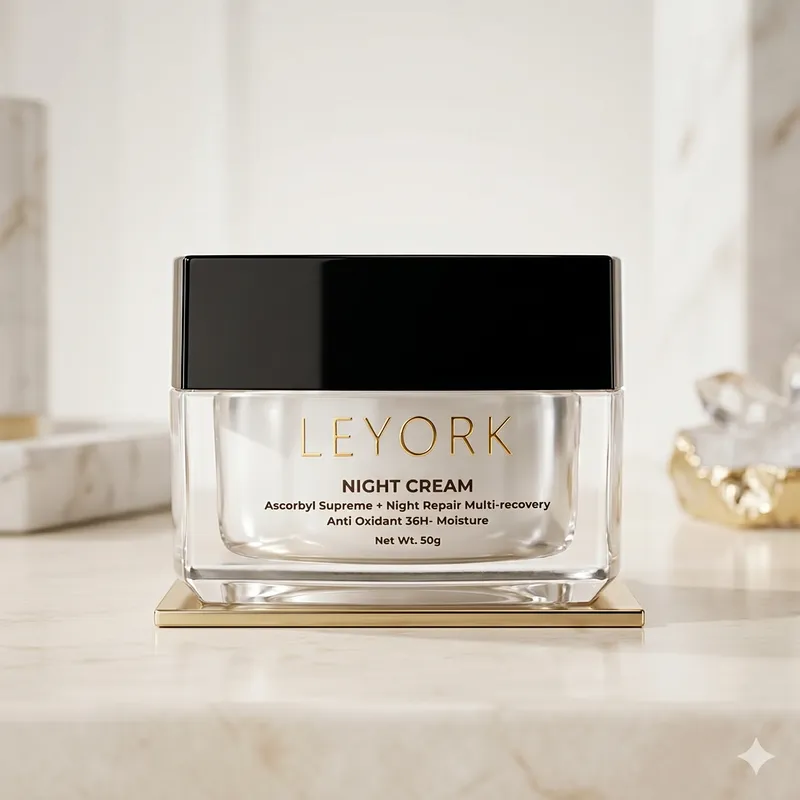
Research shows skin permeability is highest around 11 PM, meaning topical actives absorb up to 60% better at night. This is why your night cream isn't just "moisturizer for sleeping" — it's a delivery system for repair ingredients.
Step 1 — Double cleanse
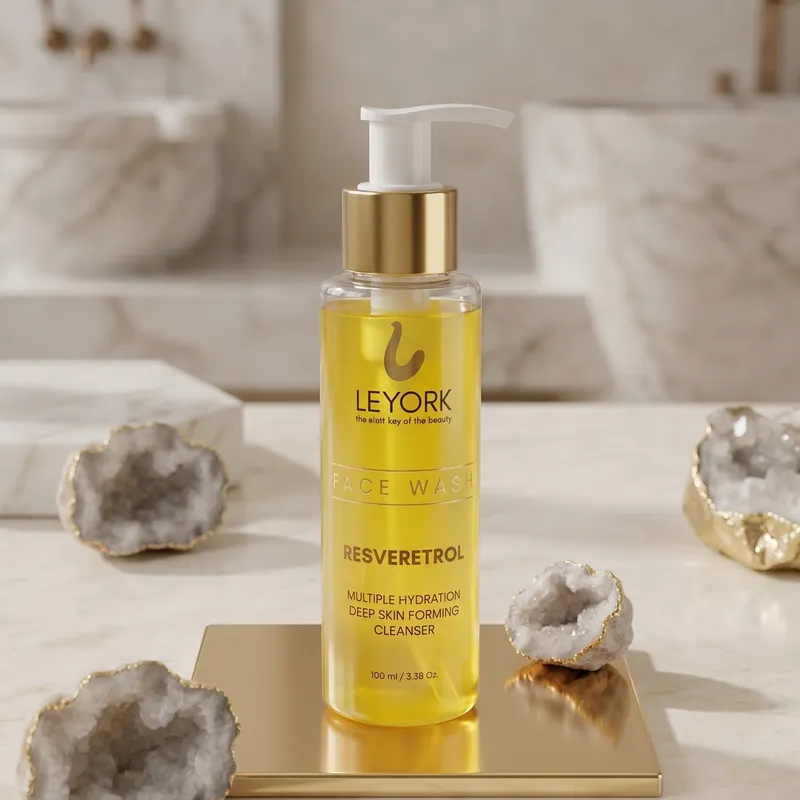
Even if you don't wear makeup, your face has accumulated SPF residue, sweat, sebum, and microscopic pollution all day. A thorough evening cleanse with a non-stripping formula resets the canvas.
Step 2 — Treat with overnight actives
The gold-standard overnight ingredient stack:
- Glutathione — the master antioxidant; inhibits melanin overproduction
- Peptides — signal fibroblasts to produce collagen during REM sleep
- Ceramides — rebuild the moisture barrier disrupted during the day
- Resveratrol — activates SIRT1 longevity genes
The pillowcase trick
Switch to a silk or satin pillowcase. Cotton absorbs your night cream within minutes; silk leaves it where it belongs — on your face. It also reduces friction-induced fine lines on the side you sleep on.
Skincare is the only chore where you get rewarded for going to bed early. Take advantage of it.